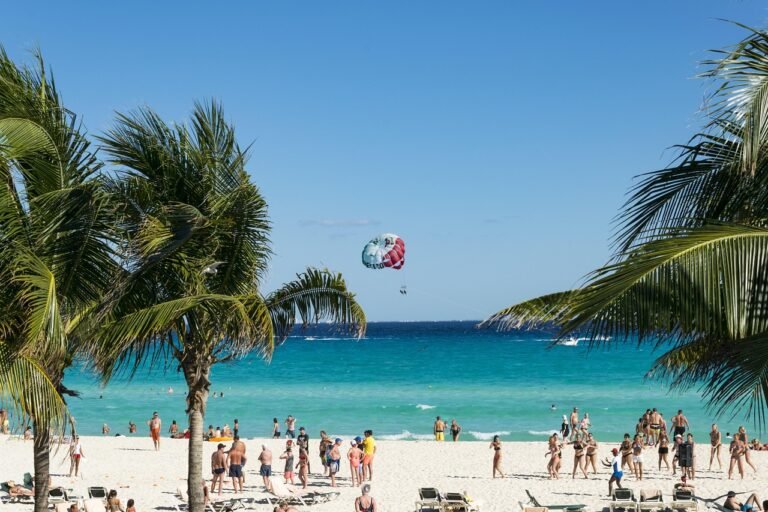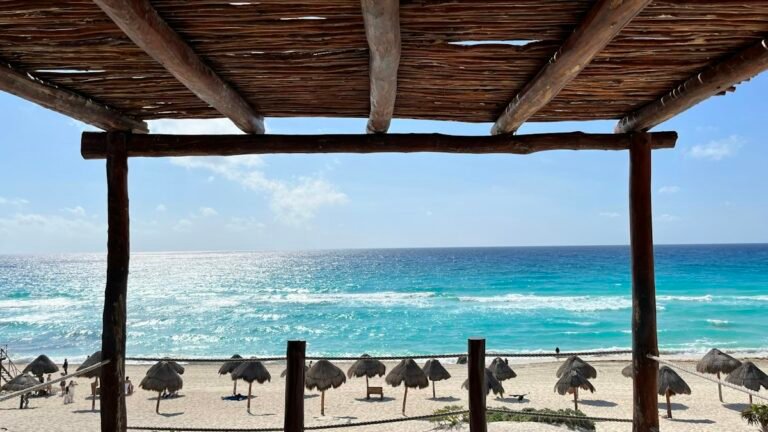
The direct high season vs low season in Cancún comparison looks like this: high season runs from mid-December through Easter (Semana Santa), plus July and the first half of August, and low season falls mainly in September and October, with May and June also running below average. Hotel rates in low season typically sit 30 to 40 percent below the December-through-March peak, and that price gap is the single biggest lever you have over how much a Cancún trip costs. The trade-off is crowding: fuller beaches, busier ferries, and longer waits at popular excursions during the expensive months, and noticeably more breathing room during the cheap ones.
High Season vs Low Season in Cancún, Month by Month
Cancún does not have one long high season and one long low season. It has three separate price spikes stacked on top of a base calendar, and knowing which spike you are booking around matters more than the calendar month by itself.
| Month | Season | Typical Hotel Rates | Crowd Level |
|---|---|---|---|
| January | High | Peak, holiday carryover | Very high |
| February | High | Peak | Very high |
| March | High (spring break) | Peak, often the year’s highest | Highest of the year |
| April | High into shoulder | High through Easter, easing after | High, thinning late in the month |
| May | Shoulder | Below average | Moderate |
| June | Low into shoulder | Below average | Low, rising toward month end |
| July | High (summer break) | High | High |
| August | High easing to low | High early, dropping late | High early, easing late |
| September | Low | Lowest of the year | Lowest of the year |
| October | Low | Lowest of the year | Low |
| November | Shoulder | Below peak, rising late | Moderate, rising late in the month |
| December | High | Rises fast after the first two weeks, peaks at Christmas and New Year | Very high from mid-month on |
For the full weather and rainfall picture behind these months, our month-by-month weather and price guide breaks down temperature and rain averages in detail. This guide focuses on the narrower question: what does high season cost you and what does low season save you.
The Price Swing: What High Season Actually Costs You
Hotel pricing in Cancún does not creep up gradually. It jumps. Industry pricing trackers commonly cite a 20 to 35 percent overnight increase in Cancún resort rates the moment Thanksgiving weekend passes, well before December 1, and rates stay elevated through spring break in March. By contrast, the same rooms in September and October, the cheapest weeks of the year, can run 30 to 40 percent below that winter peak. Hotel occupancy tells the same story from a different angle: resorts commonly report occupancy in the 90 to 100 percent range at the height of the December and March rushes, against roughly 60 to 70 percent occupancy in the quietest weeks of low season.
None of this is unique to any one hotel brand or booking platform. It is simply supply and demand playing out on a coastline with a fixed number of rooms and a very predictable set of holidays, school breaks, and weather windows pulling visitors toward the same few months.
Crowding at Beaches and Attractions
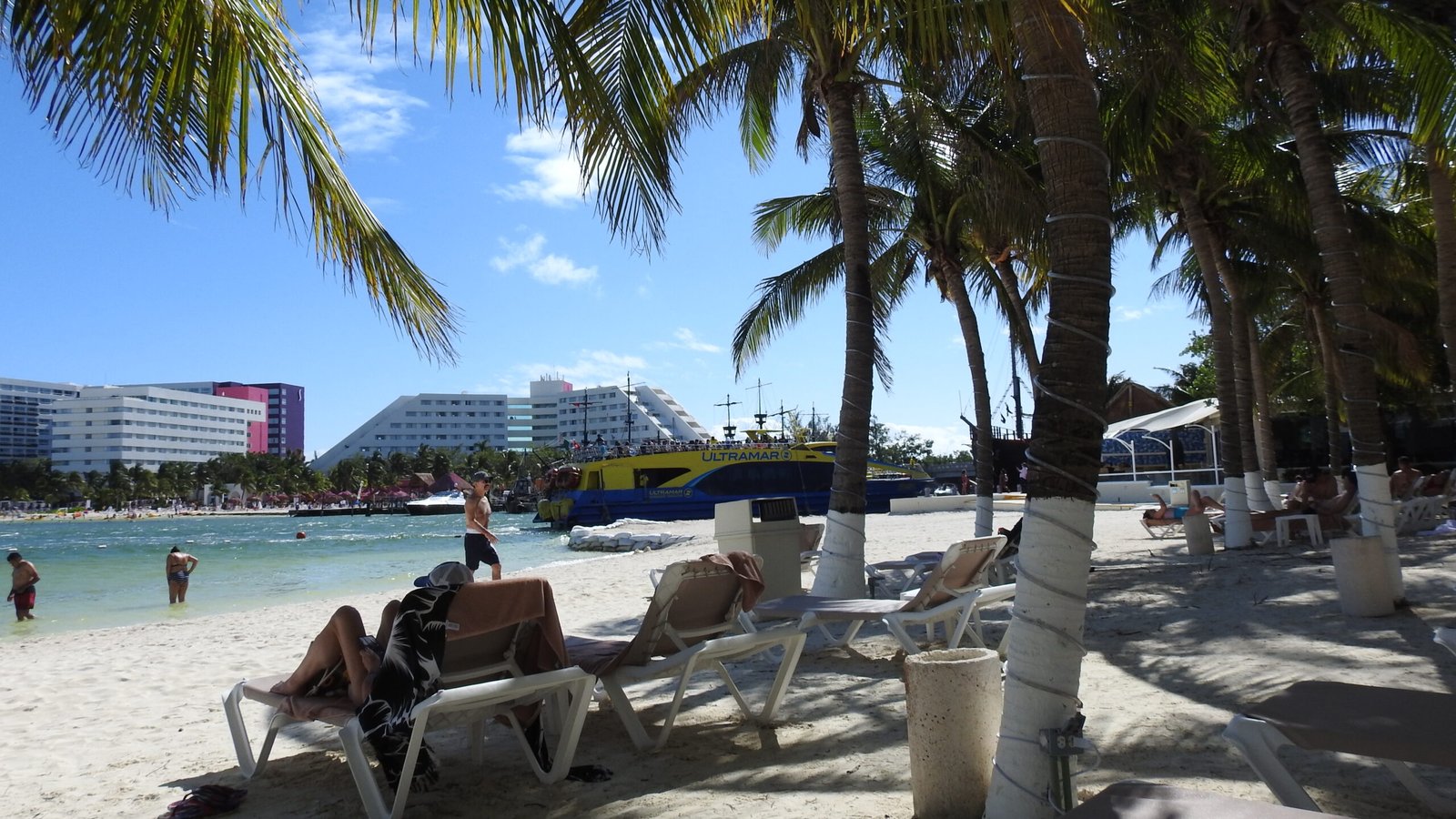
The price swing and the crowd swing move together, and the crowding shows up in more places than just the sand. During high season, expect fuller beach clubs, a real chance of running out of free loungers by mid-morning on the Hotel Zone’s public beaches, longer lines at popular cenotes and archaeological sites, and buses and ferries running closer to capacity on routes to Isla Mujeres, Cozumel, and the Riviera Maya. Restaurants in the Hotel Zone and on Playa del Carmen’s Fifth Avenue fill up earlier in the evening, and reservations that are unnecessary in October become genuinely useful in February.
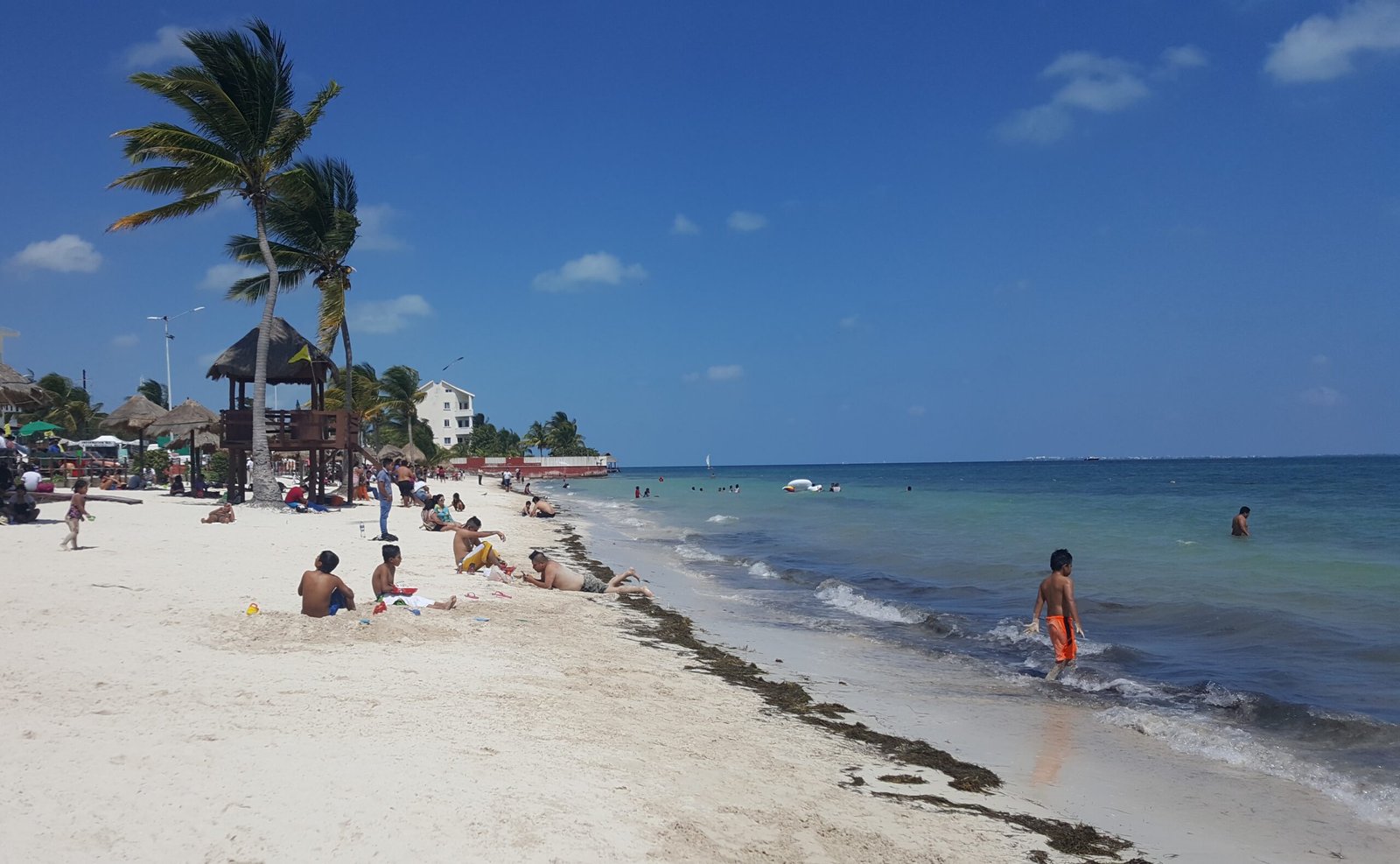
Low season flips all of that. Beaches thin out, loungers are easy to find, popular excursions move faster, and the whole coast feels less like a queue and more like a place people actually live. The trade-off, covered in more depth in our hurricane season guide and our sargassum guide, is that September and October also carry the highest rain, storm, and seaweed risk of the year, which is exactly why those months are the cheapest ones.

Best Value Shoulder Season: When to Book
If the goal is good weather without paying the December-to-March premium or fighting spring break crowds, two windows consistently come out ahead. Late April through early June sits right after Easter traffic clears out and right before the June-through-October rainy stretch sets in, so you get warm, mostly dry days, thinner crowds than peak season, and rates that have already dropped from their Easter high. November is the second window: hurricane risk has dropped off sharply by then even though the season technically runs through the 30th, rain is falling fast from October’s peak, and prices have not yet climbed into the December holiday surge covered in our Christmas and New Year guide.
Travelers locked into a school calendar and stuck visiting during Semana Santa should read our dedicated Semana Santa guide for occupancy numbers and what to expect that specific week, since Easter week behaves differently even within the broader high season.
One Price That Never Changes: Your Transfer
Hotel rates, tour prices, and even rental car rates all move with the season in Cancún. Our private transfer rates do not. A ride from Cancún International Airport to the Hotel Zone, downtown Cancún, or back starts at $32 USD per vehicle whether you book it in low-season October or peak-season March. The Puerto Morelos corridor starts at $52 USD, and Playa del Carmen starts at $69 USD, again with no seasonal surcharge. Those are one way rates for 1 to 6 passengers (see all current rates). For Tulum, Isla Mujeres, Mérida, large groups, or anything outside those three routes, message us on WhatsApp for a quote built around your specific trip.
Frequently Asked Questions
What months are high season in Cancún?
High season runs from mid-December through Easter (Semana Santa), driven first by Christmas and New Year and then by spring break in March, plus a second high season stretch in July and the first half of August during summer break.
What months are low season in Cancún?
September and October are the main low season months, with May and June also running below the yearly average once Easter traffic clears and before summer break starts.
How much cheaper are hotels in low season compared to high season?
Hotel rates in September and October commonly run 30 to 40 percent below December-through-March peak pricing, while the jump into high season itself is often 20 to 35 percent almost overnight once Thanksgiving weekend passes.
What is the best value shoulder season to visit Cancún?
Late April through early June and all of November are the two windows where good weather, thinner crowds, and below-peak prices line up best.
Do Yesmytransfer’s private transfer prices change with the season?
No. Our rates, including from $32 USD for the Hotel Zone, Airport, and downtown Cancún, from $52 USD for Puerto Morelos, and from $69 USD for Playa del Carmen, stay the same year-round regardless of high or low season.
Related Guides
- Best Time to Visit Cancún: Month-by-Month Weather & Price Guide
- Hurricane Season in Cancún 2026
- Sargassum in Cancún & Riviera Maya 2026
- Christmas & New Year in Cancún 2026
Prefer to chat first? Request a quote on WhatsApp.