The Short Answer
Sargassum (the brown seaweed that piles up on Caribbean beaches) is worst from roughly May through August, lightest from November through February, and unpredictable in between. It affects some beaches far more than others depending on which direction they face, not just when you travel. If you’re deciding when to book or which beach to pick, that direction matters as much as the calendar.
Why It Happens
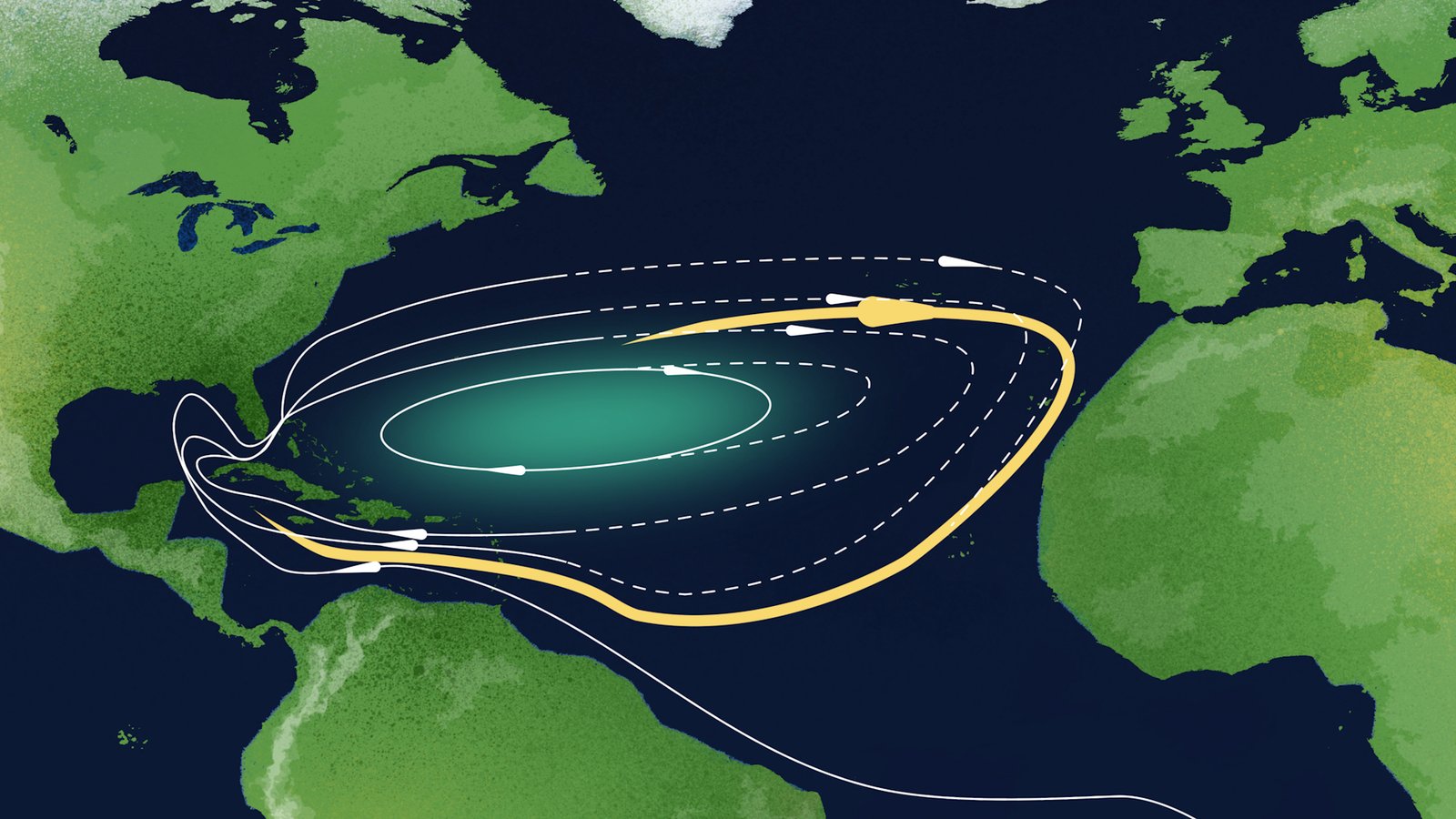
Sargassum starts in the Sargasso Sea in the North Atlantic and drifts west on the North Equatorial and Caribbean currents before washing up on the Yucatán coast. Once it beaches, it decomposes fast, which is why a beach that looked fine yesterday can smell different today. Conditions genuinely shift in 24 to 48 hours, so a single bad day during your trip doesn’t mean the whole week will look the same.
Which Beaches Get Hit Hardest
The general rule: a beach that faces straight east into open Caribbean water takes the worst of it in summer. A beach that faces north, faces west, or sits behind an island gets naturally sheltered.
| Area | Typical Exposure | Why |
|---|---|---|
| Isla Mujeres (Playa Norte) | Low | Faces northwest, naturally protected from the main current |
| Cancún Hotel Zone, north-facing stretch | Low to moderate | More sheltered angle, plus the most aggressive daily beach cleanup in the region |
| Cancún Hotel Zone, east-facing stretch | Moderate to high | Direct exposure to open Caribbean water |
| Puerto Morelos | Moderate to high | Open-water exposure, partially reduced by the offshore reef |
| Playa del Carmen | Moderate to high | Open-water exposure along most of the main beach |
| Akumal | High | Southerly location, direct current exposure |
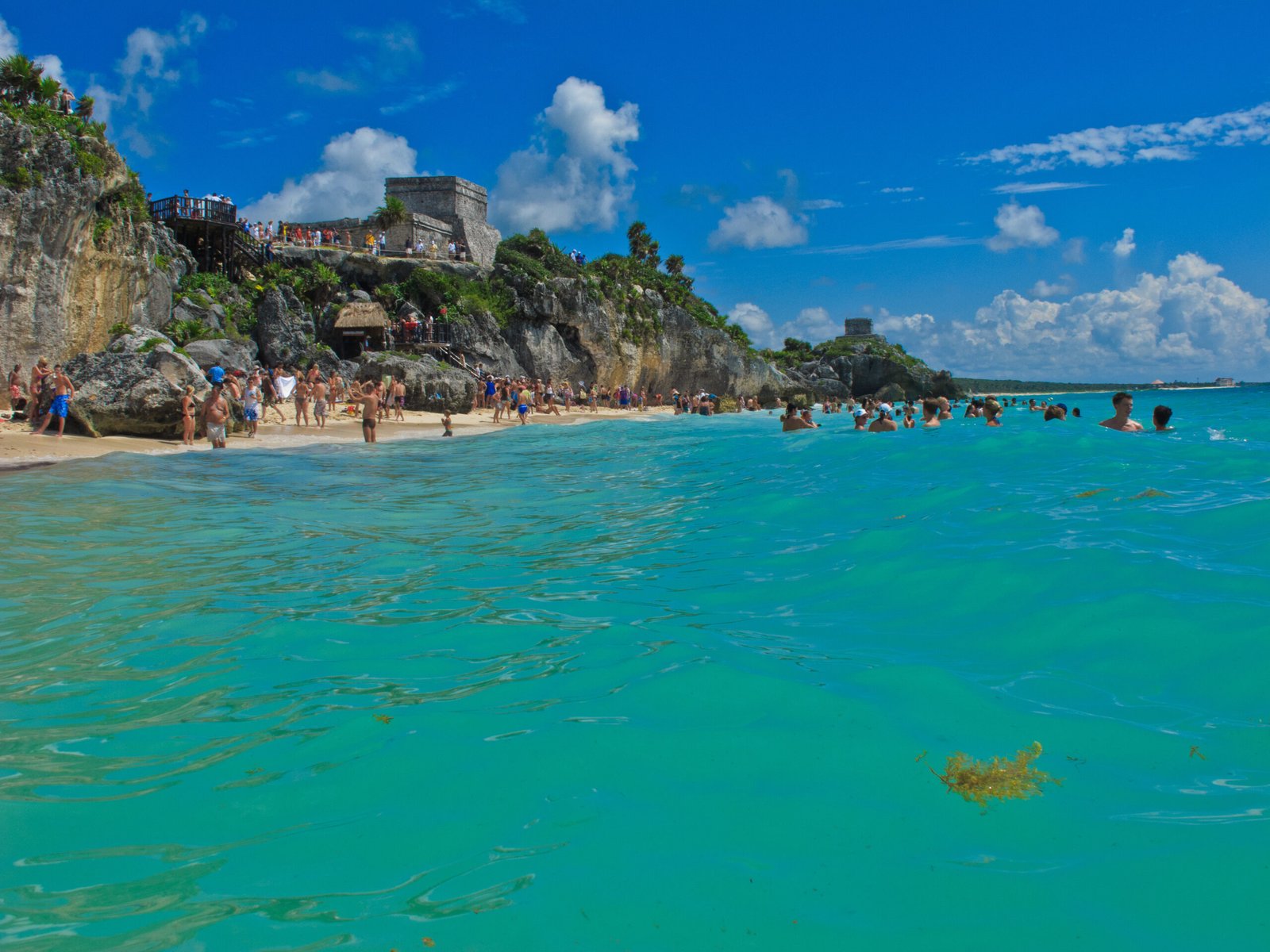
| Tulum | High | Consistently the most exposed stretch of the Riviera Maya |
| Cozumel, west (leeward) side | Low | Shielded by the island itself from the open current |
This is why two people can travel the same week and come home with completely different stories, one swam in clear water at Isla Mujeres, the other found a mess in Tulum. The month matters, but the beach matters just as much.
Month by Month
November through February: The most reliable stretch, historically. December and January are usually the clearest months of the year across the whole region.
March and April: Early, smaller landings start showing up, especially after windy days, but most trips still go fine.
May through August: The real peak. July and August tend to be the heaviest, which is unfortunately also when families travel most because of school holidays.
September and October: Usually easing off, though this varies more year to year than the other windows.
Worth knowing: the “safe window” has been getting less predictable in recent years, with some early beaching events showing up as far back as January or March. If avoiding sargassum entirely is the priority for your trip, book the low-exposure beaches above regardless of month, rather than relying on the calendar alone.
What Hotels and Beach Clubs Actually Do About It
Most hotels in the Hotel Zone and along the Riviera Maya run daily mechanical or manual beach cleanup during the worst months, and many maintain a pool-first setup specifically because of this. If avoiding seaweed matters more to you than a specific hotel brand, ask directly about their cleanup schedule and pool setup before booking, rather than assuming.
Getting to the Less-Affected Beaches
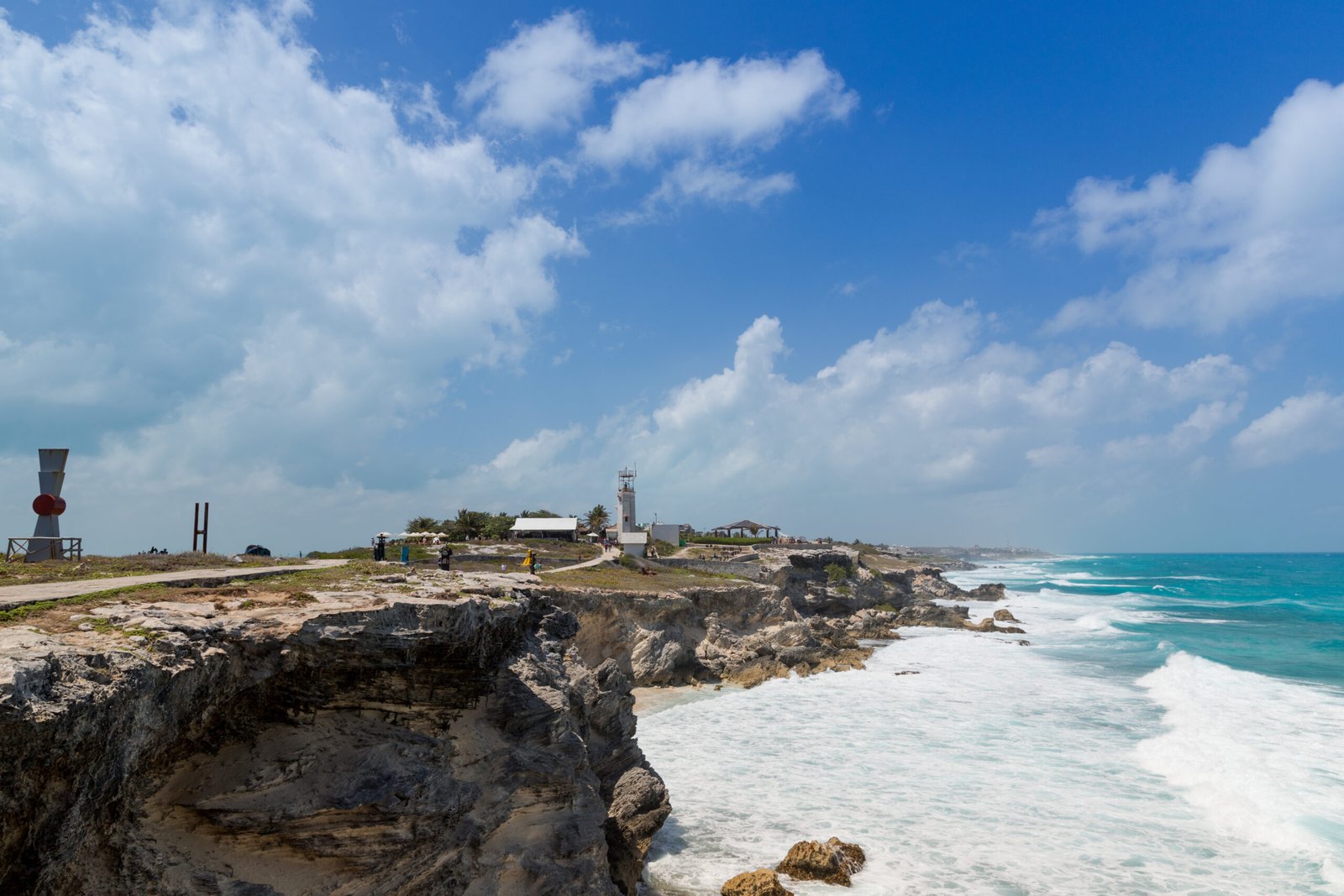
If you’d rather not gamble on the calendar, Isla Mujeres and the northern Hotel Zone are the two most reliable low-exposure options near Cancún Airport, and both are a straightforward private transfer away rather than a full day trip. If you’re staying in Playa del Carmen or Tulum during peak season and want a lower-sargassum beach day, a private driver can get you to Isla Mujeres’s ferry terminal or a north-facing Hotel Zone beach club without the stops and guesswork of a shared shuttle or public transport.
Frequently Asked Questions
When is sargassum worst in Cancún and the Riviera Maya?
Roughly May through August, with July and August typically the heaviest. November through February is usually the clearest stretch.
Which beaches have the least sargassum?
Isla Mujeres’s Playa Norte, Cozumel’s west (leeward) side, and the north-facing stretch of the Cancún Hotel Zone are generally the most sheltered, because they don’t face directly into the open Caribbean current.
Does sargassum ruin the whole beach experience?
Not usually. Hotels run active cleanup, most pools are unaffected, and conditions can change within a day or two. It’s a real factor to plan around, not a reason to cancel a trip.
Can I check conditions before I book or before I go?
Several independent sites track daily sargassum conditions by beach, and many hotels post updates directly. Conditions shift fast enough that checking within a week of your trip is more useful than checking months ahead.
Is it worth switching beaches during my trip to avoid sargassum?
If you’re staying somewhere consistently affected, a day trip to a low-exposure beach like Isla Mujeres is a reasonable fix, and it’s an easy add-on to arrange with a private driver.
Related Guides
- Where to Stay in Cancun: Complete Zone Guide 2026
- Hurricane Season in Cancún 2026
- Cancún Airport to Isla Mujeres Ferry: Price & Travel Time
Prefer to chat first? Request a quote on WhatsApp.