The Short Answer
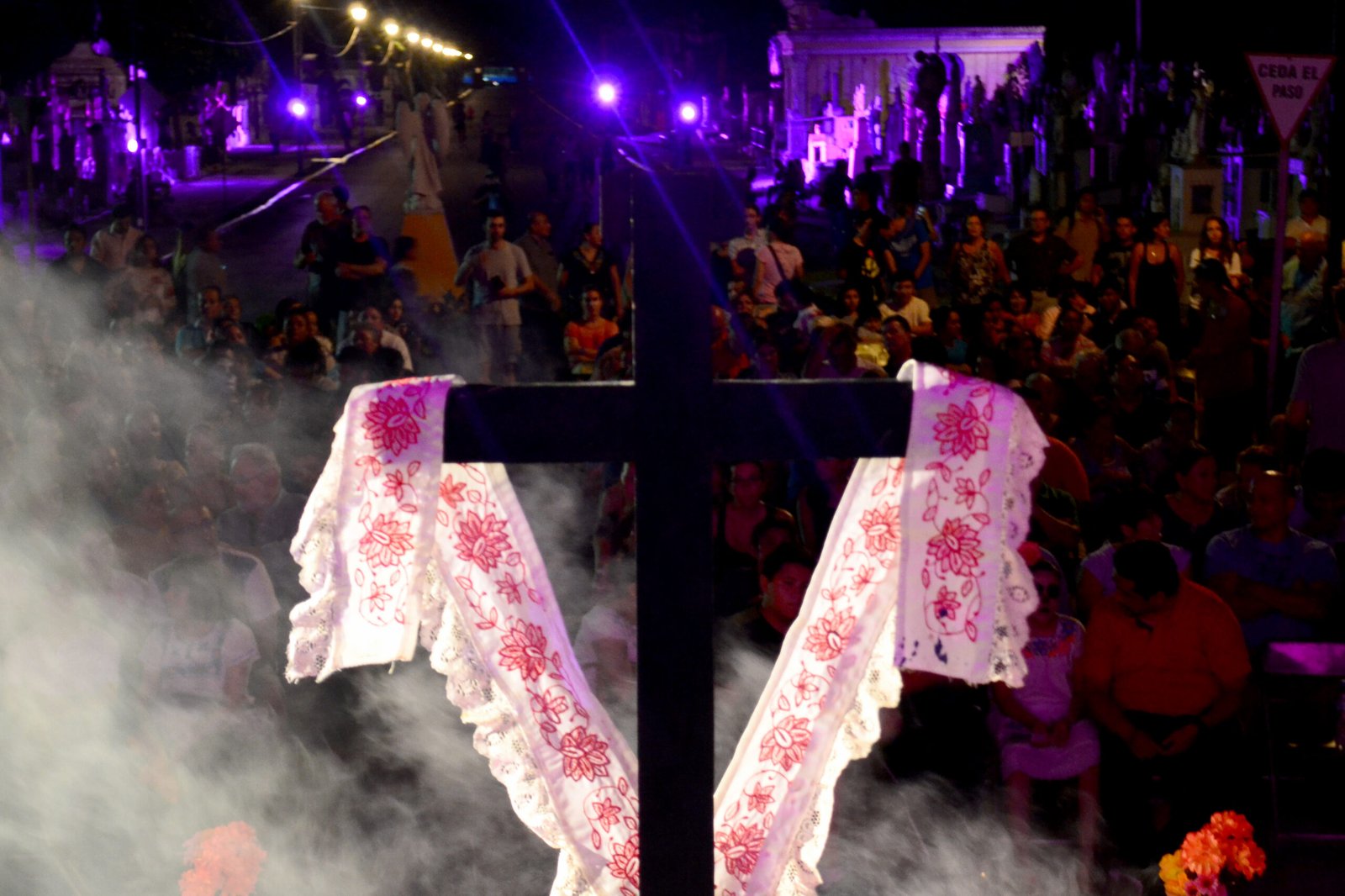
Day of the Dead in Cancún and the Riviera Maya isn’t quite the same holiday you’ll see in central Mexico. Locally it’s called Hanal Pixán, a Maya name meaning “food of the souls,” and it stretches across several days of altars, food, and public celebrations rather than a single night. November 1 honors deceased children, November 2 honors deceased adults, and the days just before and after are filled with parades, altar contests, and cemetery visits across Cancún and the Riviera Maya.
What Hanal Pixán Actually Means
Hanal Pixán comes from Yucatec Maya and translates roughly to “food of the souls” or “banquet of the souls.” Families believe the spirits of the deceased return during these days, so the tradition centers on feeding them well. The signature dish is mucbipollo (also spelled mukbil pollo), a large tamale filled with chicken and pork, wrapped in banana leaves, and cooked underground in a pib, a traditional earth oven. It’s a heavier, more elaborate dish than the pan de muerto found elsewhere in Mexico, and it only really appears during these few days of the year.
The Three-Day Structure
November 1: Dedicated to deceased children. Altars for children are decorated in white and include toys and sweets rather than adult foods or drinks.
November 2: Dedicated to deceased adults. This is the day most associated with cemetery visits, where families clean and decorate graves with cempasúchil (marigold) flowers and spend the afternoon at the gravesite, sometimes with food and music.
The days around it: In practice, Cancún’s public celebrations run longer than just these two days, often from around October 30 through November 2 or 3, with parades, altar exhibitions, and cultural events scheduled across that window rather than packed into a single evening.
Where to See It in Cancún and the Riviera Maya
| Location | What Happens | Best For |
|---|---|---|
| Parque de las Palapas, Downtown Cancún | Free public altars, live music, traditional dance, and a “Hanal Pixán dinner” atmosphere in the main square | Anyone staying in the Hotel Zone who wants an authentic, no-ticket evening out |
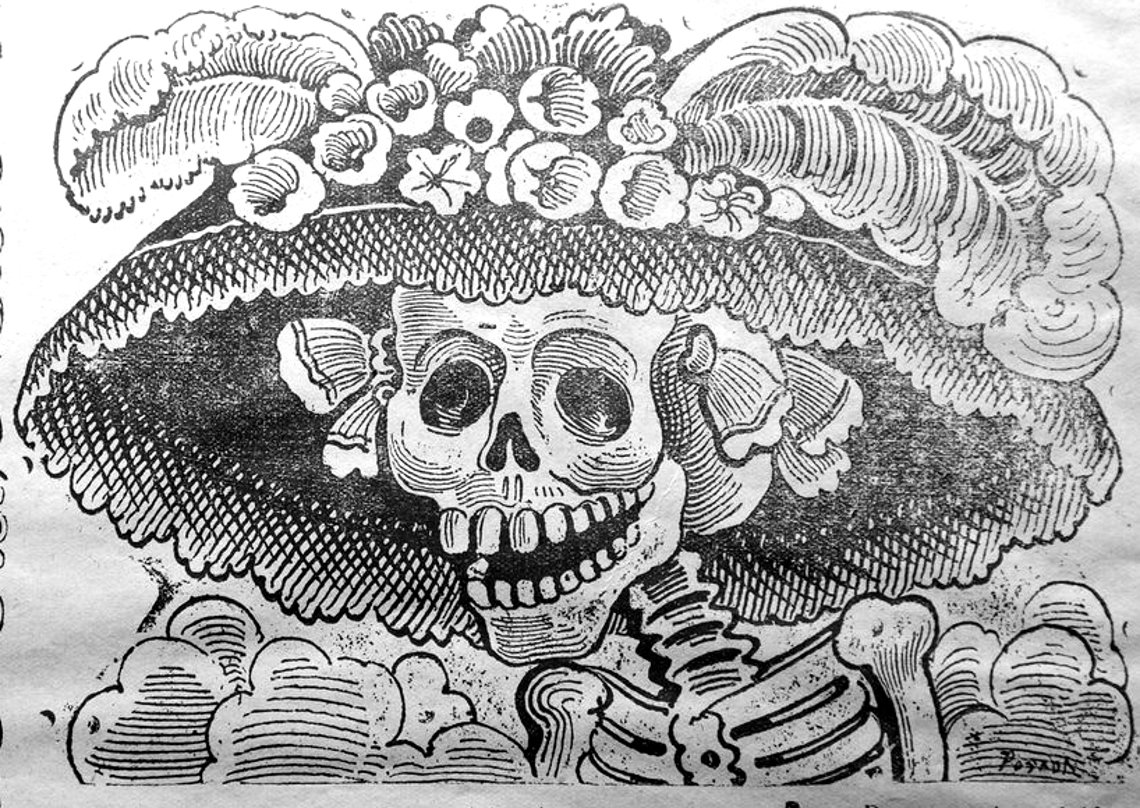
| Puerto Juárez pier | A catrina and catrín costume parade along the waterfront, plus a maritime procession | Photos and a more festive, parade-style celebration |
| Xcaret Park | The ticketed “Festival de Tradiciones de Vida y Muerte,” with altars, Maya ceremonies, theater, and concerts across several nights | A bigger, produced experience if you’re already planning an Xcaret visit |
| Playa del Carmen’s main plaza | Altar exhibitions and the “Todas Somos Catrina” community event | Travelers based in Playa del Carmen or Tulum |
Exact dates and programming shift a little each year, so it’s worth checking with your hotel concierge or the municipal tourism office once you’re in town, but the venues above are the reliable ones season after season.
Getting There
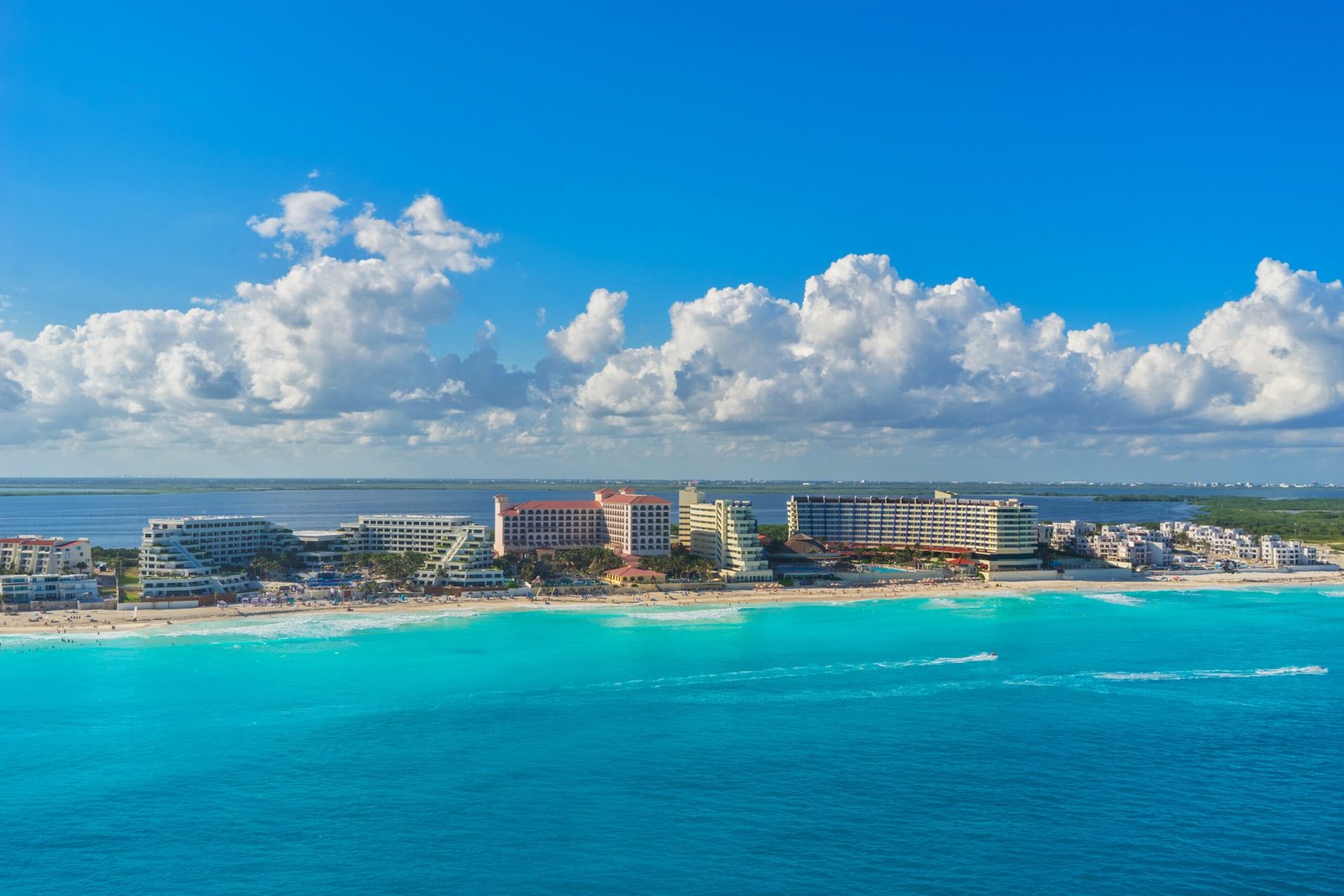
Parque de las Palapas and Puerto Juárez are both in downtown Cancún, a genuinely different area from the Hotel Zone where most resorts sit. A taxi from a Hotel Zone resort works, but at night during a major local event, cars can be harder to flag down and prices tend to climb. If you’re going as a family or a group, arranging a private vehicle for the evening means one confirmed price for the round trip and a driver who waits for you, rather than negotiating a return ride from downtown at 10pm. Xcaret’s festival is far enough south that most visitors book it as a full evening with transportation included as part of the park ticket or a separate transfer.
Frequently Asked Questions
Is Hanal Pixán the same as Day of the Dead?
It’s the Yucatán’s regional version of the same holiday, built on Maya tradition. The core dates and meaning (honoring deceased children on November 1 and adults on November 2) are the same as the rest of Mexico, but the food, the underground-cooked mucbipollo, and some of the specific customs are unique to this region.
What is mucbipollo?
A large tamale of chicken and pork wrapped in banana leaves and cooked underground in a traditional earth oven called a pib. It’s the signature dish of Hanal Pixán and typically only made during these days.
Where’s the best place to see Day of the Dead celebrations near Cancún?
Parque de las Palapas in downtown Cancún for a free, authentic evening, Puerto Juárez for the catrina parade, and Xcaret Park for a larger, ticketed production with altars and live performances.
Do I need transportation to get downtown from the Hotel Zone?
Yes, downtown Cancún and the Hotel Zone are separate areas. A taxi works, but a private transfer arranged for the evening avoids the harder-to-find rides and higher prices that come with a busy local event night.
Can I visit a cemetery to see the traditions firsthand?
Some municipal cemeteries welcome respectful visitors on November 2, when families decorate graves with marigolds, but this is a deeply personal family day. It’s best treated as something to observe quietly from a distance rather than an attraction to photograph up close.
Related Guides
- Where to Stay in Cancun: Complete Zone Guide 2026
- 7 Best Cancun Activities and Tours in 2026
- Private Transfer Cancún Airport to Playa del Carmen
Prefer to chat first? Request a quote on WhatsApp.