
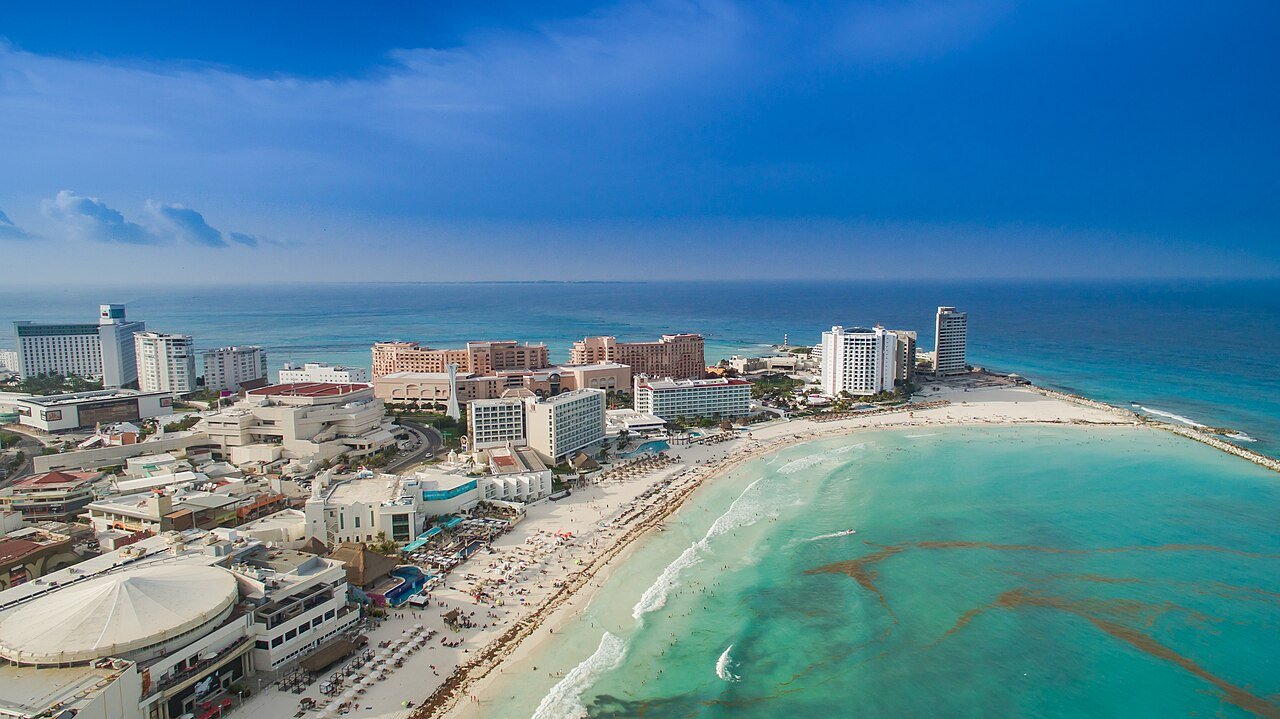
Does Hurricane Season Mean You Should Skip Cancún
Cancún’s hurricane season runs June 1 through November 30, the same official Atlantic season NOAA tracks for the whole region. That sounds alarming until you look at the actual math: most of those six months pass with ordinary tropical weather, brief afternoon rain and nothing more, and a direct hit on the Riviera Maya in any given year is the exception, not the rule. The real question isn’t whether to travel during these months. It’s how to plan your transfer and your schedule so a watch or a warning doesn’t wreck your trip if one does come through.
When the Risk Actually Peaks
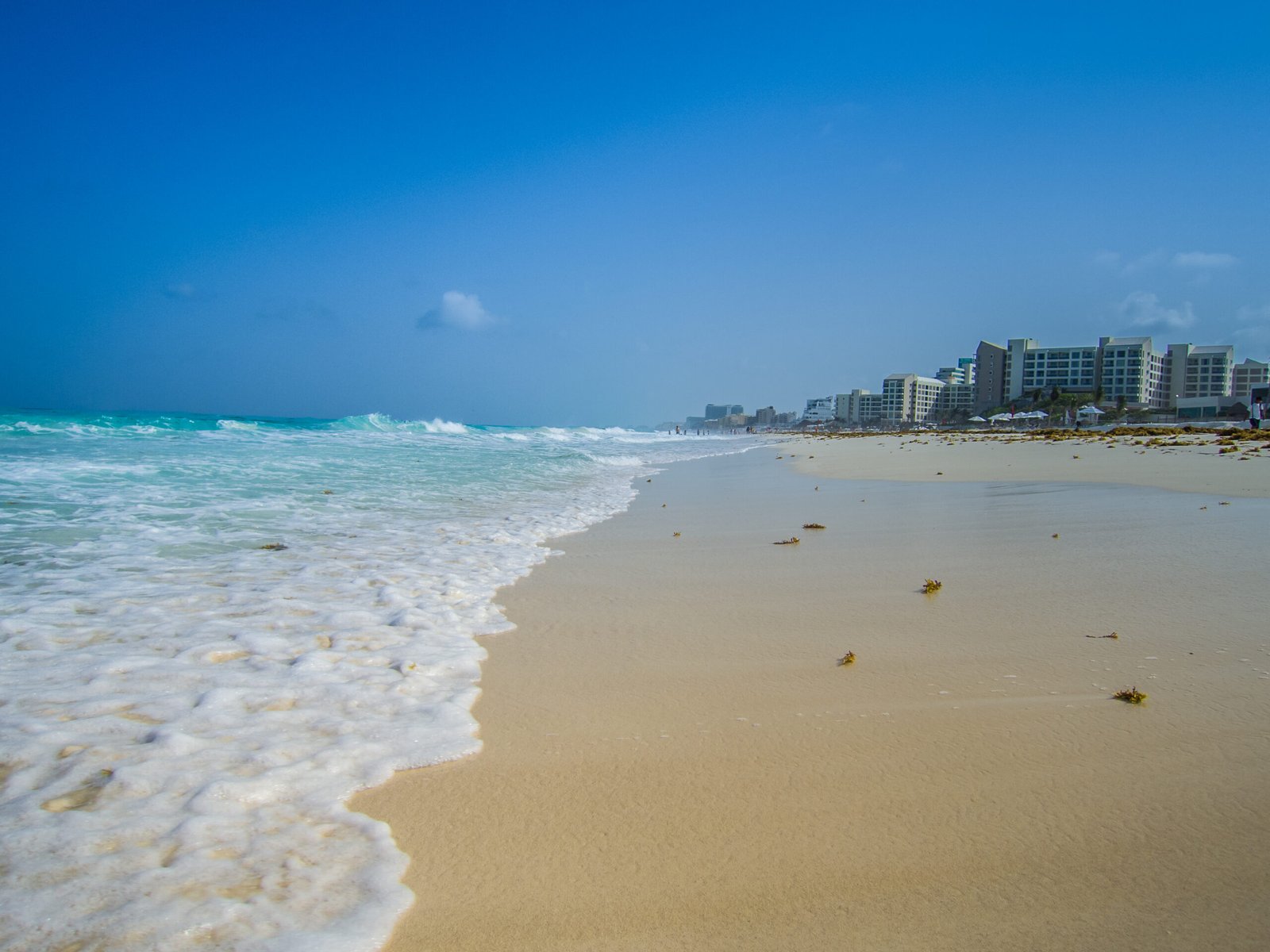
Not all six months carry the same risk. June and July see occasional tropical storms, mostly rain and wind rather than major systems. The real peak runs mid-August through late October, with the statistical high point of the whole Atlantic season falling around September 10 every year. November tends to calm down fast. If you have flexibility on your travel dates and want to minimize the odds of any disruption at all, April, May, and early June carry the lowest hurricane risk of the months with good beach weather.
What a Direct Hit Actually Looks Like: Hurricane Wilma, 2005
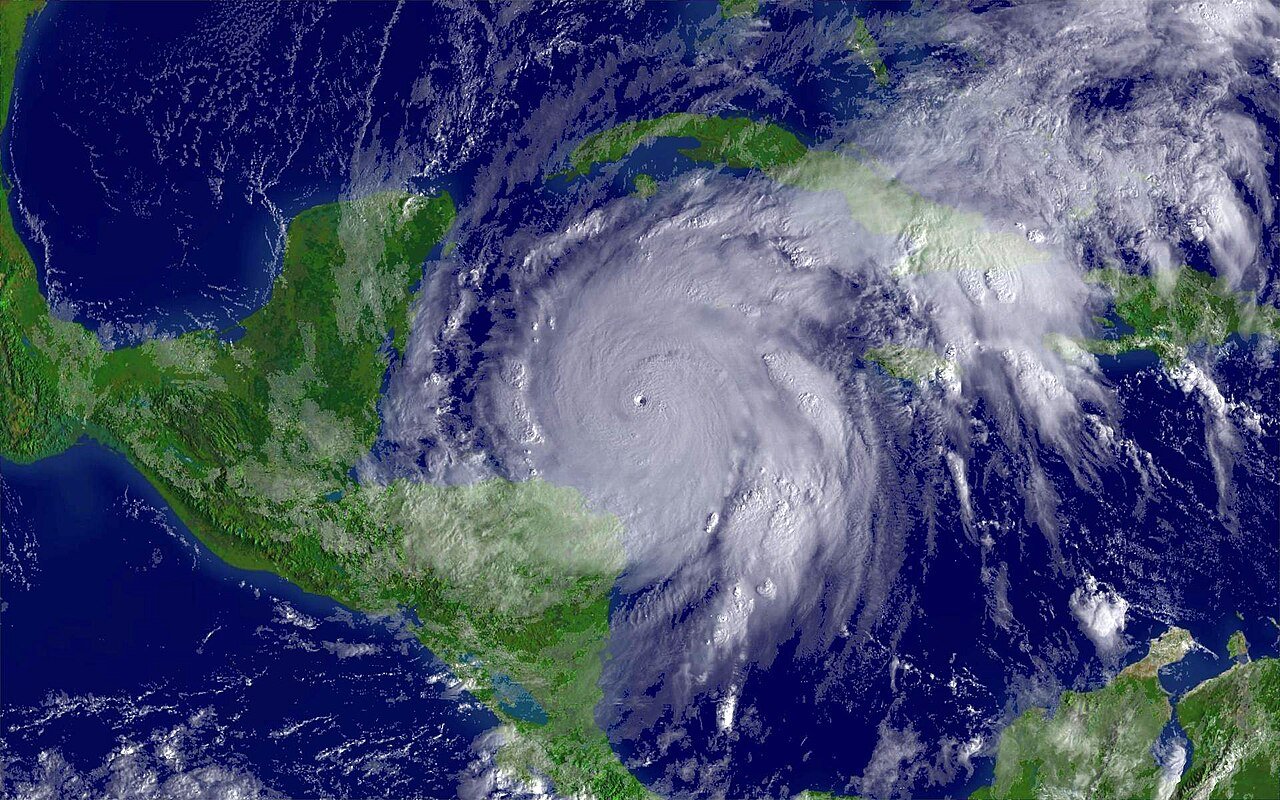
The storm every local still measures others against is Wilma, a Category 4 hurricane that stalled almost directly over Cancún and Cozumel for more than 24 hours in October 2005, one of the slowest-moving major hurricanes ever recorded in the Atlantic. That slow crawl, more than the wind speed itself, is what caused the extensive damage: hours of sustained battering instead of a fast pass-through. Wilma is also the reason Cancún’s civil protection system, hotel evacuation protocols, and building codes in the Hotel Zone were overhauled afterward. Nothing close to Wilma has repeated since, but it’s the benchmark local authorities plan against.
How Mexico’s Alert System Works
Mexico’s civil protection agency (Protección Civil) uses a four-color system you’ll see on local news and hotel notice boards if a system approaches: verde (green, normal conditions), amarillo (yellow, a system is being watched, no action needed yet), naranja (orange, direct impact expected, hotels begin securing property and may restrict beach access), and rojo (red, impact imminent, guests are moved to interior shelter areas or inland). Reaching orange or red during your specific stay is uncommon, but it’s worth knowing what each color actually triggers instead of guessing from the word alone.
What This Means for Your Airport Transfer
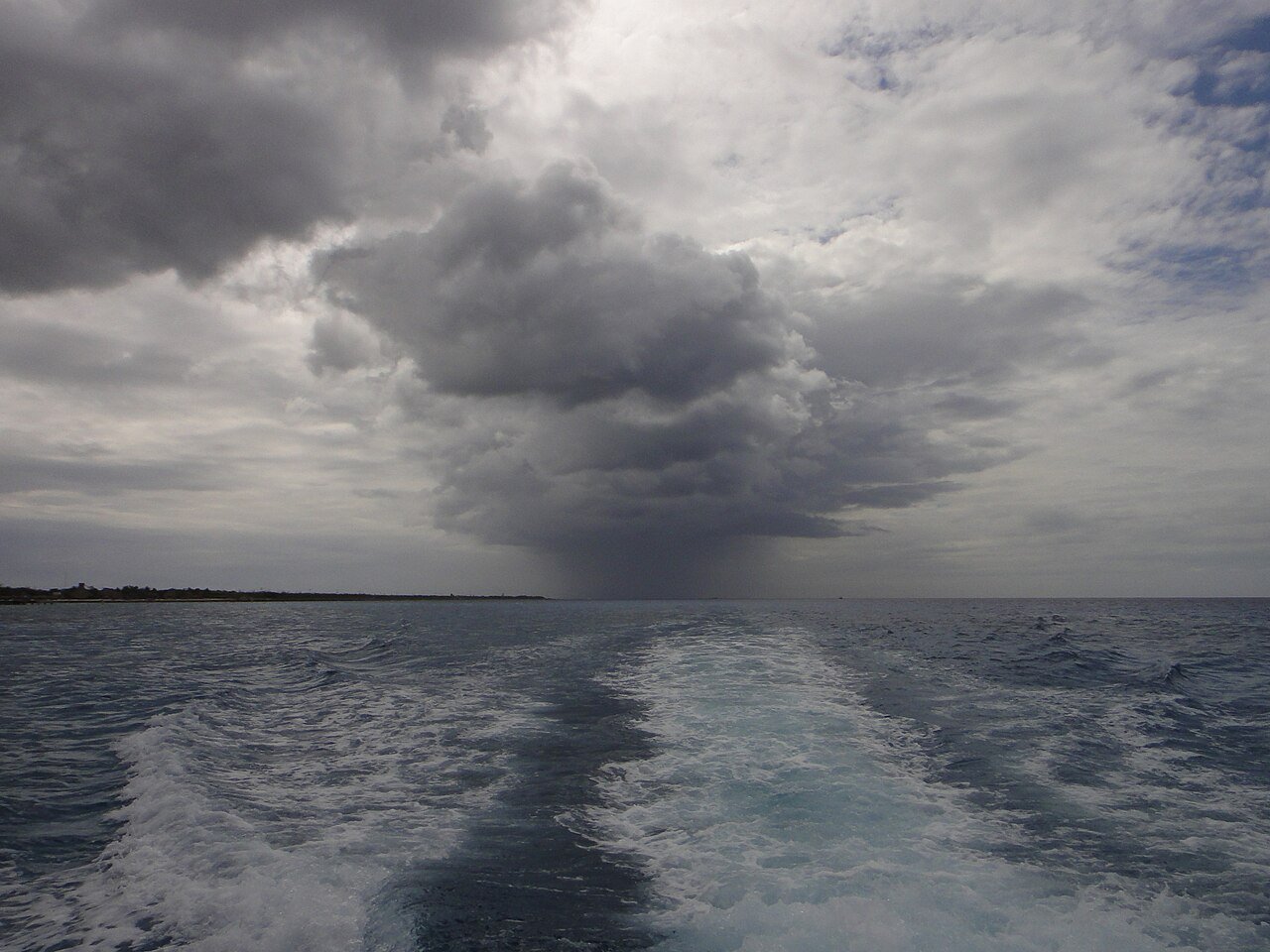
A shared shuttle runs on a fixed schedule with other passengers, which means if your flight gets delayed or rerouted around weather, you’re at the mercy of whatever seat is available on the next run, sometimes hours later. A private transfer tracks your actual flight, not the one on the original booking, and waits for you regardless of how the schedule shifts. That difference matters most exactly when weather is involved, since flight delays and rerouting are far more common during a tropical system than a full airport closure.
If a storm is close enough to affect your travel dates, message your driver or the transfer company directly once you have updated flight information, ideally as soon as your airline notifies you of a change. Airlines typically issue fee waivers for rebooking when a storm is officially named and tracking toward the region, so check your airline’s advisory page directly rather than assuming your ticket type doesn’t allow changes.
Before You Book: Practical Precautions
Travel insurance with a “cancel for any reason” or named-storm clause is worth the cost if you’re booking flights and hotels months ahead during peak season; standard trip insurance often only pays out once a hurricane warning is officially issued, which can be just days before your trip. Keep your transfer and hotel confirmations somewhere you can reach offline, since Wi-Fi and cell service are the first things to go spotty in heavy rain and wind. If you’re booking a non-refundable resort package for September or early October specifically, confirm the property’s own weather policy directly, since resort refund and rebooking rules vary a lot more than people expect.
Getting There
None of this is a reason to avoid Cancún in these months, the beaches, the cenotes, and the tours run as normal on the overwhelming majority of days between June and November. It’s a reason to book a transfer that adjusts with your actual flight instead of a fixed schedule, and to know which questions to ask if a system does start tracking toward the coast during your trip.
Frequently Asked Questions
When is hurricane season in Cancún?
June 1 through November 30, with the highest risk from mid-August through late October and the statistical peak around September 10.
Should I avoid booking a trip to Cancún during hurricane season?
Not necessarily. Most days in these months have ordinary tropical weather. If you want the lowest possible risk, April, May, and early June offer good beach weather with minimal hurricane activity.
What happens to my airport transfer if a hurricane affects my flight?
A private transfer tracks your actual flight and adjusts automatically. Message your driver with updated flight details as soon as your airline notifies you of a change.
What was the worst hurricane to hit Cancún?
Hurricane Wilma in October 2005, a Category 4 storm that stalled over the area for more than 24 hours. It remains the benchmark local authorities plan against.
How will I know if a storm is approaching during my trip?
Mexico’s Protección Civil uses a four-color alert system (green, yellow, orange, red) posted at hotels and on local news. Your hotel will notify guests directly if conditions move past yellow.
Related Guides
- Cancún Private Transfer Safety Guide
- Where to Stay in Cancun: Complete Zone Guide 2026
- Cancún Airport Transfer Prices 2026
Prefer to chat first? Request a quote on WhatsApp.